Stop Chasing, Start Planning: The Aussie Player's Guide to Gaming With the Seasons
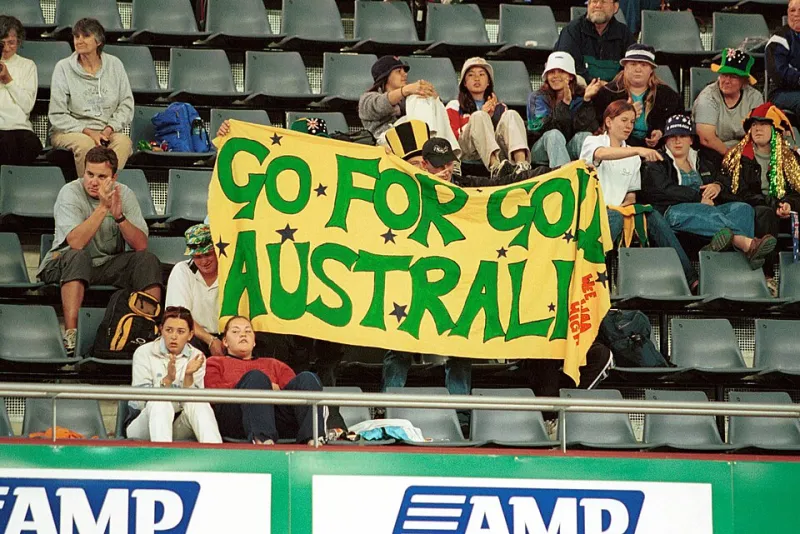
Photo: Sport the library, CC BY-SA 3.0, via Wikimedia Commons
There's a particular kind of regret that hits on the Tuesday after a long weekend. You know the one. The footy finals were on, the group chat was buzzing, the promotions were flying everywhere — and somewhere between the first quarter and the post-match analysis, the gaming session went longer and cost more than you'd planned.
It happens to a lot of Aussie players, and it's not a character flaw. It's a predictable response to a very real phenomenon: seasonal FOMO. The fear of missing out on big moments, big bonuses, and the electric atmosphere that surrounds Australia's major sporting and cultural events can quietly override even the most sensible budget intentions.
The good news? Once you understand the pattern, you can actually use it to your advantage.
Australia's Gaming Calendar Is More Predictable Than You Think
Casino activity in Australia — both land-based and online — follows clear seasonal rhythms. There are predictable spikes around:
- The Melbourne Cup Carnival (late October to early November)
- AFL and NRL Finals (September)
- Summer holidays (December through January)
- Easter long weekends
- State-based events like the Sydney to Hobart race, the Australian Open, and Schoolies
During these windows, operators run more promotions, jackpots get extra attention, and player activity surges. That surge creates both opportunity and risk. More players means more competition for jackpots, but it also means platforms are incentivised to offer genuine value to attract and retain players.
Knowing this in advance lets you shift from reactive to proactive.
The Impulse Trap: Why Big Moments Cost More
Darren, a Brisbane-based tradie who's been playing online for about four years, put it plainly in a conversation about his gaming habits: "Cup week used to wipe me out every year. Not because I was losing big in one go — it was death by a thousand cuts. A little here, a little there, riding the excitement. By the time the race was over I'd spent three times what I planned."
This pattern — what behavioural economists call "emotional contagion" — is well documented. When we're surrounded by excitement and social energy, our risk tolerance rises and our self-monitoring drops. Combine that with a screen full of limited-time offers and the pressure to be part of the moment, and rational budgeting becomes genuinely hard.
The antidote isn't to avoid gaming during peak season. It's to plan for it before the excitement kicks in.
Building Your Seasonal Gaming Strategy
Set Your Calendar Budget Early
Rather than thinking about gaming in weekly or monthly budgets alone, try mapping out the whole year. Identify the two or three peak moments that genuinely matter to you — maybe it's the footy finals, maybe it's a summer holiday session, maybe it's Cup day with your mates. Allocate a specific budget to each of those events in advance.
When that budget is set before the emotional energy of the moment arrives, you're making a rational decision rather than a reactive one. It's the same principle as doing your grocery shopping on a full stomach.
Use Promotions Strategically, Not Impulsively
Seasonal promotions are real value — bonus credits, free spins, cashback offers, and tournament entries genuinely extend your play. But they only add value if you were already planning to play.
A common trap is treating a promotion as a reason to play when you weren't planning to. "There's a Cup week bonus, so I should deposit" is FOMO talking. "I was already planning to play this week, and there's a bonus that stretches my session" is strategy.
At OzWin, we flag our seasonal promotions well in advance specifically so players can plan around them rather than react to them. Take the time to read the terms, understand the wagering requirements, and decide whether it actually suits your play style.
Match Your Game Choice to the Season
This one's a bit more nuanced but worth thinking about. During high-energy peak periods, many players naturally gravitate toward fast-paced, high-volatility games — big jackpots, rapid spins, maximum excitement. That's not inherently wrong, but it does burn through budgets faster.
If you know you're going to be playing during a high-energy period, consider balancing your session with some lower-volatility options. They won't deliver the same rush, but they'll keep you in the game longer and reduce the chance of a session ending 20 minutes in.
The Cooling-Off Window
Sophie, a Melbourne teacher who games casually on weekends, developed what she calls her "24-hour rule" after a rough NRL finals period a couple of seasons back. "If I want to top up my account during a big sporting event, I make myself wait 24 hours. Nine times out of ten, I don't end up doing it — the urge passes. The other time, I actually wanted to play, so I did."
This kind of deliberate pause is one of the most effective tools in responsible gaming, and it's especially powerful during peak seasons when the emotional pull is strongest.
What Sustainable Seasonal Gaming Actually Looks Like
The goal isn't to remove the fun — it's to protect it. Sustainable gaming means you can actually look forward to Cup week or the footy finals as a genuine entertainment event, rather than dreading the post-event account check.
That looks like:
- A pre-set budget that doesn't require renegotiation mid-session
- A game plan that includes which promotions you'll use and why
- A clear stopping point that's decided before you start
- A mindset that treats a win as a bonus, not a baseline expectation
Australia's sporting and cultural calendar is one of the great joys of being here. It should make gaming more fun, not more stressful. Plan ahead, know your triggers, and the seasons become something to look forward to rather than something to survive.