Wired to Smell a Rat: How Aussie Players Catch Dodgy Games Before the Regulators Do

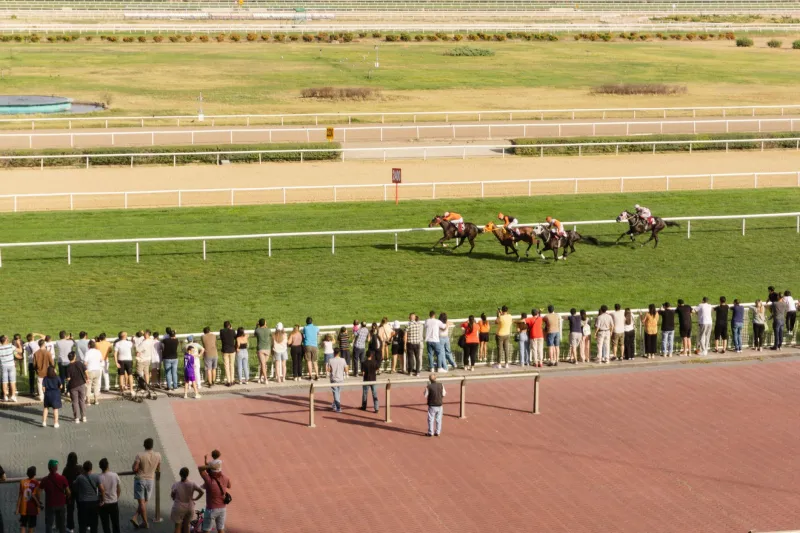
There's a particular kind of look a seasoned Aussie punter gets when something feels off. It's not panic. It's not even suspicion, exactly. It's more like the quiet narrowing of the eyes you'd see on a bloke who's spent thirty years reading racecards and knows when a horse has been spelled a bit too conveniently. Something in the numbers doesn't add up, and they know it before they can even explain why.
This isn't folklore. It's pattern recognition — and Australian players have been developing it for decades without realising it was happening.
The Accidental Training Ground: Australia's Pokies Culture
Australia has one of the most intense gambling environments on the planet. We've got more pokies per capita than almost any country outside of Nevada, and for many Aussies, those machines weren't just entertainment — they were an education. Sitting in a pub with a cold beer and a handful of credits, players absorb information constantly: how often bonus rounds trigger, how long dry spells typically run, what a normal variance pattern feels like versus something that seems to be withholding.
This exposure is formative. Over time, regular players build an internal model of expected behaviour — a rough statistical intuition that doesn't require a maths degree to function. When a game deviates from that model, the brain flags it. Not loudly. Just a quiet nudge. Something's not right here.
International players who came to online gaming through console games or sports betting don't necessarily carry that same baseline. They're working from a shorter playbook. Australian players, particularly those who grew up around physical pokies, are operating with a much richer dataset stored somewhere between memory and gut feeling.
What "Feeling Off" Actually Means in Statistical Terms
Let's be clear: casinos — legitimate ones — don't rig games in the way conspiracy theories suggest. What does happen occasionally is that games malfunction, RTP figures are misrepresented, or bonus mechanics are configured in ways that technically comply with the rules but are deliberately confusing to the average player.
What experienced Aussie players often catch are the subtler irregularities:
- Bonus rounds triggering at implausible frequencies — either far too often during a promotional window, or suspiciously absent during normal play
- Near-misses clustering in patterns that feel manufactured rather than random
- Payout sequences that seem to follow a rhythm rather than genuine randomness
- RTP figures that don't match lived experience across extended sessions
None of this requires a statistics qualification to notice. It requires repetition and attention — both of which Australian players have in abundance.
A well-documented example from the early days of online gaming in Australia involved a third-party slot provider whose RNG (random number generator) had a subtle seeding flaw. The games technically paid out at the advertised rate over millions of spins, but in shorter sessions — the kind most players actually experience — the distribution was badly skewed. It was Australian forum communities that raised the alarm first, months before any regulatory review. Players had noticed that cold streaks were running longer than their pub pokies experience suggested was normal. They weren't wrong.
The Psychology Behind Pattern Recognition in Gaming
Humans are, by nature, pattern-seeking creatures. It's one of our greatest cognitive strengths — and occasionally a weakness, since we sometimes see patterns that aren't there. But in gaming contexts, this tendency becomes a genuine advantage when it's been calibrated by real experience.
Psychologists call this heuristic reasoning — the mental shortcuts we develop through repeated exposure to a domain. A doctor who's seen thousands of patients develops a clinical intuition that goes beyond textbook knowledge. A cricket umpire reads body language and ball trajectory in ways a first-time spectator simply cannot.
Aussie players who've logged serious hours on pokies, card tables, and online platforms develop a gaming-specific heuristic that's surprisingly reliable. It doesn't tell them why something is wrong. It just tells them that something is wrong — and that's often enough to prompt the right questions.
Practical Signs That Should Make You Pause
If your gut is sending signals during a session on any online platform, here are the concrete things worth checking:
1. Cross-reference the published RTP Legitimate games list their return-to-player percentage in the game information or paytable. If a game is advertising 96% RTP but your extended play is returning results that feel closer to 85%, note it. One session isn't enough to draw conclusions, but consistent deviation across multiple sessions is worth flagging.
2. Check the provider's credentials At OzWin, games come from established, audited software providers. If you're playing somewhere and can't identify the game developer — or if a quick search turns up nothing credible — that's a red flag worth acting on.
3. Document anomalies If something seems wrong, screenshot it. Note the time, the game, and exactly what you observed. Legitimate operators — OzWin included — take these reports seriously. Regulators take them even more seriously when they're specific.
4. Trust the forums Aussie gaming communities are genuinely useful here. If your experience matches what others are reporting, you've got corroborating evidence rather than just a hunch. If nobody else has noticed anything, it might just be variance — but it's still worth mentioning.
5. Walk away first If something feels wrong, stop playing that game. Not because you've definitely been wronged, but because continuing while uncertain isn't good for your bankroll or your peace of mind. There are plenty of other games to play while you work out what happened.
Why OzWin Takes This Seriously
At OzWin Casino, every game on the platform comes from providers who submit to independent auditing. That means third-party testing of RNG integrity, payout accuracy, and game mechanics — not just a tick-box exercise, but genuine scrutiny.
We also believe that an informed player is a better player. Understanding how RTP works, what volatility actually means, and what legitimate randomness looks like in practice isn't just responsible gaming information — it's the foundation of a genuinely enjoyable experience. When you know what normal looks like, you're far better placed to recognise when something isn't.
Australian players have been doing this instinctively for years. The pub pokies culture that many people dismiss as a social problem has, in a roundabout way, produced some of the most statistically literate recreational gamblers in the world. That's not nothing.
The Bottom Line
Your instincts, sharpened by years of local gaming culture, are a genuine asset. They won't always be right — variance is real, and cold streaks happen in perfectly fair games — but they're worth listening to. When something feels off, investigate. Ask questions. Use the tools available to you.
And if you're ever unsure about something you've experienced on OzWin, reach out. That's what we're here for. Because the best gaming experience isn't just about winning — it's about knowing the game you're playing is exactly what it says it is.